
By Phil Wilkinson-Jones – Local Democracy Reporte
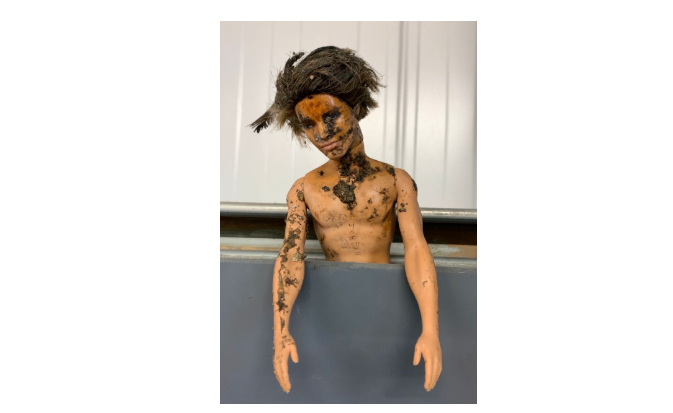
A Ken doll is among the more unusual items found by Severn Trent in blocked sewers.
The water company cleared nearly 30,000 blockages last year – most caused by people flushing items down the toilet or pouring fat or oil down the sink.
Wet wipes, cotton buds and sanitary products are all common items found in sewer blockages that should be put in the bin.
Grant Mitchell, blockages lead for Severn Trent, said: “Most sewer blockages are completely avoidable, and the biggest causes are items that shouldn’t be flushed or poured away.
“Last year alone we cleared nearly 30,000 blockages, many caused by items that should never have gone down the loo or sink.
“In total, we removed 20 million litres of fats, oils and greases from the sewers, which is enough to fill six Olympic-sized swimming pools.
“We run customer campaigns and education programmes and have teams meeting communities daily to offer tips and advice on how to avoid blockages.
“We have over 93,000km of water and sewer pipes to look after, so customers can really help prevent blockages from happening by looking after their pipes.”

These are Severn Trent’s top blockage tips for customers:
1. Remember the 3Ps
Only flush pee, poo and (toilet) paper – nothing else!
Wipes, cotton buds, and sanitary products belong in the bin
2. Be a Binner, Not a Blocker
Scrape leftover fats and oils into a container and pop them in the bin – not down the sink. Use kitchen roll to soak up grease from pans before washing up
Bin the Wipes
Even ‘flushable’ wipes don’t break down like toilet paper. Keep a bathroom bin handy and toss them there instead.
A ban on wet wipes containing plastic will come into force in England in spring 2027.
Environment secretary Emma Reynolds said: “This ban will put an end to plastic wet wipes which choke our sewers, litter our beaches and poison wildlife.
“It’s another example of the government taking strong, decisive action to clean up our rivers, lakes and seas.
“But we all have a role to play. Every wet wipe flushed down the toilet risks blocking sewers, causing pollution and pushing up household bills.
“The solution is simple: bin wet wipes, don’t flush them.”