
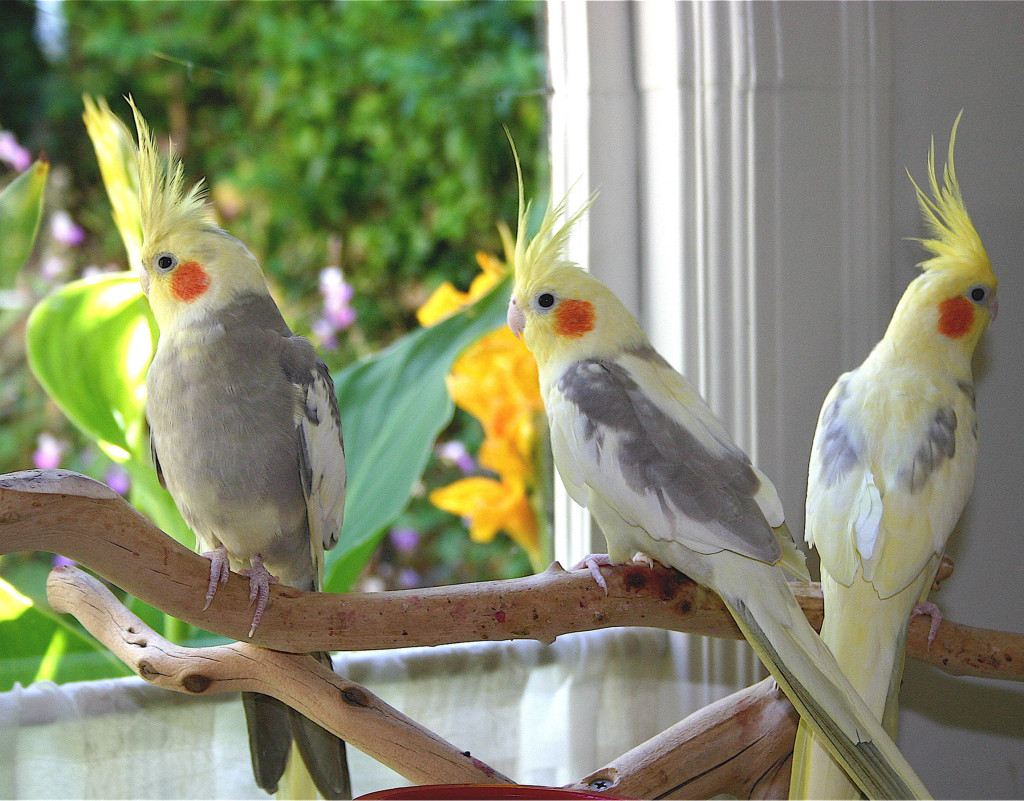
Health bosses in Bristol are investigating a case of psittacosis.
The condition is normally found in birds but can cause pneumonia and other severe health problems in humans if they are exposed to infected birds such as parrots, prostate budgies and cockatiels.
The suspected case is among a local who kept birds as pets but the council say they have been in touch with people living nearby to inform them of the situation and advise them of any necessary action to be taken.
While the birds thought to have transmitted the infection were sold from a local business in South Gloucestershire, bosses say there is no evidence that is the source of the infection.
Public Health England says it is “using this as an opportunity to make the new owners aware of the signs and symptoms of the disease in the birds and themselves.”
Sick birds may show signs of sleepiness, shivering, weight loss, breathing difficulties and diarrhoea. Not all birds that are infected will show these signs. Birds can also have a latent infection where they appear healthy and do not show any initial symptoms but they can show symptoms later.
As a precaution, people with concerns relating to birds they have recently purchased (between 28 May and 3 June) are advised to contact their vet to discuss what next steps to take with regards to their bird’s health.
Mike Wade, Deputy Director of Health Protection for Public Health England South West said: “Members of the public who may have come into contact with birds need to be assured that severe illness as a result of infection from this bacteria is rare. However, it is important that those individuals are aware of signs and symptoms and discuss any concerns they may have with their GP.
“In humans, the signs and symptoms of psittacosis appear within four to 30 days after exposure but commonly occur after 10 days. Symptoms include, fever, chills, cough, weakness or fatigue, muscle and chest, pain, loss of appetite, nausea, vomiting and diarrhoea, headaches, sweating and abnormal intolerance to light.”