
By Carmelo Garcia – Local Democracy Reporter
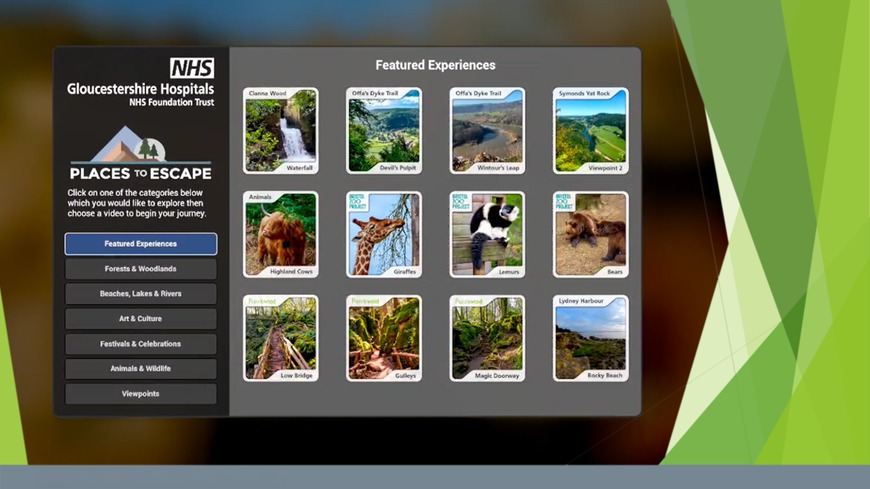
Patients who spend a long time in hospital will be able to “visit” Gloucester Cathedral, Puzzlewood or Symonds Yat as well as watching a rugby match using a virtual reality headset.
Gloucestershire hospital chiefs recognise that spending long periods of time in hospital can be challenging for patients.
Some feel they have lost a sense of independence and the freedom to explore the world on their own terms, which can impact their mood and overall well-being.
To help address this, a new trial has been launched using the power of virtual reality to provide patients with a sense of escape, connection, and comfort.
Through immersive 360-degree videos filmed across Gloucestershire, patients can revisit cherished places, explore new destinations, or simply find solace in familiar surroundings, all from their hospital beds.
By capturing these environments, the hospital aims to bring moments of joy, tranquillity, and reconnection to those who may feel isolated.
“We have already curated a collection of stunning local hotspots and we are collaborating with businesses and organisations across the county to expand our library of content,” Gloucestershire Hospitals NHS Foundation Trust spokesperson said.
“So far, we have had the privilege of working with Puzzlewood, Dean Forest Railway and Bristol Zoo Project to capture some breathtaking footage.
“We look forward to partnering with more locations including Gloucester Cathedral and Gloucester Rugby, to enhance this offering further in the coming months.”
Currently, the trial is available to patients in oncology and the department of critical care across both Gloucestershire Hospitals.
And hospital staff say they are excited to see the impact this initiative will have on patients’ well-being.
This trial aims to enhance patients’ wellbeing, lift spirits and make time in our care a little more positive, meaningful and a bit more like home.
Strict inclusion and exclusion criteria have been developed to support the trial in identifying patients who are suitable to use VR safely and effectively in an acute hospital setting.
Patient consent is required to use the headsets.