

Undergoing a hair transplant can be a life-changing decision. It’s a journey that promises restoration, not just of hair, but of confidence and self-image. However, the path to full hair restoration is a process, marked by gradual progress and patience. As you reach the 5-month milestone post-operation, there are specific developments and transformations you should anticipate.
1. The Stages of Growth
At the 5-month juncture post-hair transplant, you’re in the midst of witnessing a fascinating phase of growth. Initially, the transplanted hair goes through a resting phase, known as telogen, where the hair doesn’t grow but instead takes its time to acclimate to its new home.
As weeks turn into months, these hairs gradually shift into the anagen phase – the period of active growth. It’s during this stage that you begin to see the first hints of your new hairline forming. Though the full lushness is yet to come, this period is a testament to the beginning of transformation, a slow yet steady progression towards the fuller head of hair you’re anticipating.
2. Embracing the ‘Ugly Duckling’ Phase
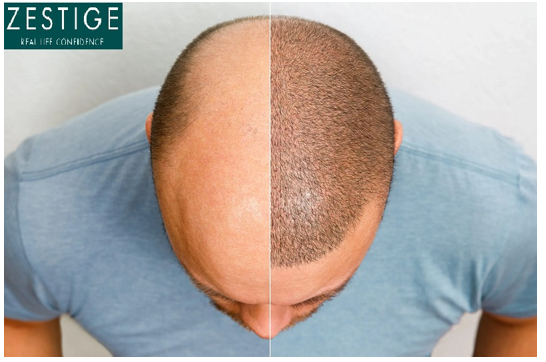
Often referred to as the ‘ugly duckling’ phase, the period following the hair transplant after 5 months is marked by a mix of emotions. You might look into the mirror, expecting to see a fuller head of hair, only to find irregular patches and uneven lengths. This phase, despite its less-than-charming nickname, is a natural and necessary step in the journey towards hair restoration.
The hair follicles are just beginning to sprout, and like seeds in a garden, they need time to grow and flourish. It’s a time of transformation and patience, where the initial signs of your future lush hair are slowly but surely starting to take root.
3. Texture and Quality of Hair
In these initial months, particularly around the 5-month mark, the texture of the new hair may not match your expectations. It’s often finer and may stand out against the thicker, more mature strands surrounding it. But this shouldn’t be a cause for concern.
This variation in texture is a normal part of the journey, a temporary state before the hair matures. Clinics like the Harley Street hair clinic often emphasise this as a natural part of the process. The hair, at this stage, is like a young sapling, delicate and just beginning to find its strength. With time, it will thicken, gain colour, and blend more naturally with the existing hair, crafting a seamless and natural appearance.
4. Consistency is Key
During the phase of hair transplant after 5 months, the term ‘consistency’ takes on a dual meaning. On one hand, it refers to the consistent care and attention your new hair requires – gentle washing, careful brushing, and protection from harsh elements.
On the other hand, it speaks to the consistency of growth across your scalp. It’s common to notice patches where the hair seems to be coming in more thickly and areas that appear to lag behind. This unevenness is a normal part of the process. Each follicle operates on its own unique timeline, and while some may rush ahead, others take their time.
This burstiness in growth patterns is a natural aspect of the hair’s development cycle, one that will gradually even out as you approach the one-year mark, revealing a more uniform, dense, and natural-looking head of hair.

5. The Importance of Post-Operative Care
Post-operative care plays a pivotal role in the success of your hair transplant. During these initial 5 months, your scalp is still in a delicate state, healing and adjusting to the new grafts. Adhering to your surgeon’s guidance on hair care is paramount.
This might include gentle washing with prescribed shampoos, avoiding harsh chemicals or heat treatments, and protecting your scalp from direct sunlight. Remember, the way you care for your hair in these months lays the foundation for the health and appearance of your final results.
6. Monitoring Progress and Setting Expectations
As you navigate through the post-transplant journey, keeping track of your progress is essential. This doesn’t just mean eagerly examining your hairline in the mirror, but also staying in regular contact with your clinic.
Clinics like Harley Street hair clinic often schedule follow-up appointments to monitor the healing and growth, offering peace of mind and expert advice. Setting realistic expectations is also crucial. Understanding that hair growth is a gradual process helps in managing anticipation and ensures that you’re mentally prepared for the stages that lie ahead.
7. Nutrition and Lifestyle Factors
The health of your newly transplanted hair isn’t solely determined by external care; your internal health plays a significant role too. A balanced diet rich in vitamins and minerals, particularly those known to support hair health like Vitamin E, zinc, and biotin, can provide the necessary nutrients for robust hair growth.
Similarly, lifestyle factors such as managing stress, avoiding smoking, and reducing alcohol consumption can positively influence the healing process and the overall health of your hair.
Conclusion
Reaching the 5-month mark after a hair transplant is a significant milestone in the journey towards hair restoration. It’s a period marked by the beginnings of new growth and the promise of what’s to come. While the full results are still a few months away, understanding the process, maintaining patience, and continuing proper hair care are essential during this phase.
The journey might be gradual, but the transformation is life-changing, bringing not just a new look but a renewed sense of self.
Author bio:
Brindon Bagirathan
As the owner of Zestige, Brindon Bagirathan is an influential personality in the field of hair transplantation. A regular contributor to industry conversations, Brindon frequently articulates his expert insights and thought leadership through blogs. These writings allow him to reach a wider audience, providing them with fresh and informed perspectives on the latest trends and advances in the field of hair transplantation.