
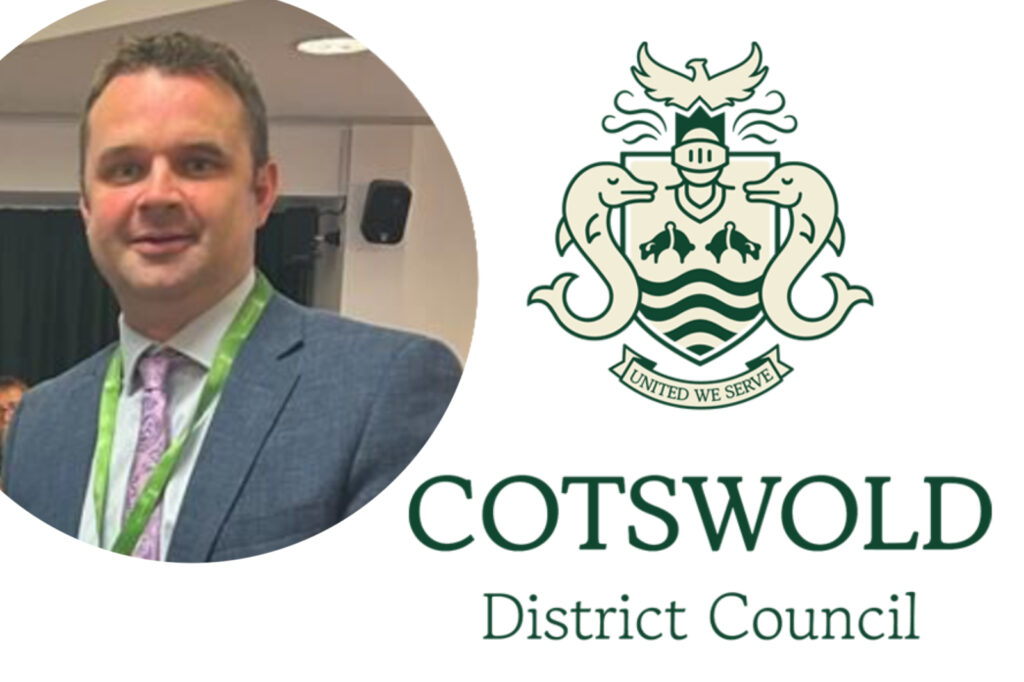
By Carmelo Garcia – Local Democracy Reporter
Cotswold District Council’s finances are secure and it will not need a government bailout.
This is the view expressed by finance chiefs after councillors approved the authority’s budget for the upcoming financial year.
Cotswold taxpayers will have to pay 3.14 per cent more for District Council services from April.
But finance chiefs say the authority remains in a secure and stable financial position and does not need exceptional financial support to avoid bankruptcy as has been sought by other councils.
The council general fund reserves remain strong at £1.760m amd a total of £2 million will be allocated for local government reorganisation in the county and £2.2 million is being moved from revenue to fund capital projects.
The council has approved a £10.5m capital programme which includes investment in the waste and recycling fleet.
This is the district’s largest decarbonisation project so far and will include including its first electric refuse vehicle.
The plans include improvements to leisure centres, continued support for affordable housing and investment in digital services and essential infrastructure.
Finance cabinet member Patrick Coleman (LD, Stratton) presented the budget at last night’s (February 23) council meeting.
He said the council was proposing a £5 increase for band D properties.
Cllr Coleman welcomed the “long awaited” multi-year local government financial settlement.
However, he did not like the extremely late changes which gave the District Council a £700,000 reduction for two of the upcoming financial years.
The Conservative group proposed two amendments to the budget including the establishment of a legacy fund of £190,000 and to reduce the communications budget from £380,000 to £300,000 a year.
The legacy fund would provide £5,000 to each ward councillor with £20,000 set aside for administration.
Tory group leader Tom Stowe (C, Campden-Vale) said this would ensure the funding would be spread evenly across the district.
“Examples might include supporting youth activities, enhancing the public realm or improving the local environment and biodiversity,” he said.
However, these proposals were voted down by 21 votes to seven.
The council ultimately approved the budget by 21 votes in favour six against and one abstention.
David Stanley, Deputy Chief Executive and Section 151 Officer, said after the meeting that the budget has been built on firm financial foundations.
“By taking a careful, disciplined approach throughout the year, we have been able to protect essential services, strengthen our reserves and avoid the need for borrowing to fund our capital programme,” he said.
“At a time when many councils are facing severe financial pressures, this position is a testament to strong financial management and a clear focus on long‑term sustainability.
“While challenges remain in the medium term, this budget gives us a solid platform from which to plan and adapt, and every aspect of it – from capital investment to transformation activity – is shaped by the council’s commitment to leave the strongest possible legacy for residents, communities and the future unitary authority.”